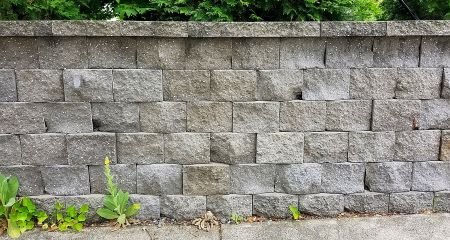
Comprehensive Brick Masonry Solutions
We handle all aspects of brick masonry, including:
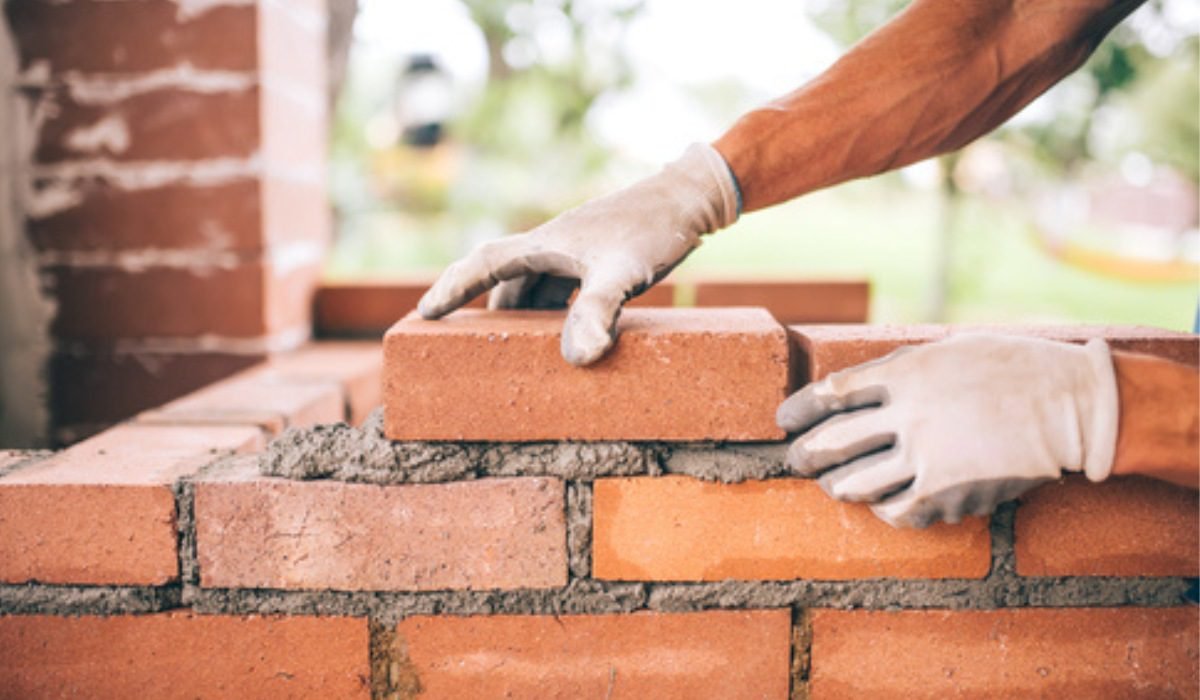
New Construction: Building strong and aesthetically pleasing brick walls, facades, fireplaces, patios, walkways, and hardscape features for homes and businesses25.
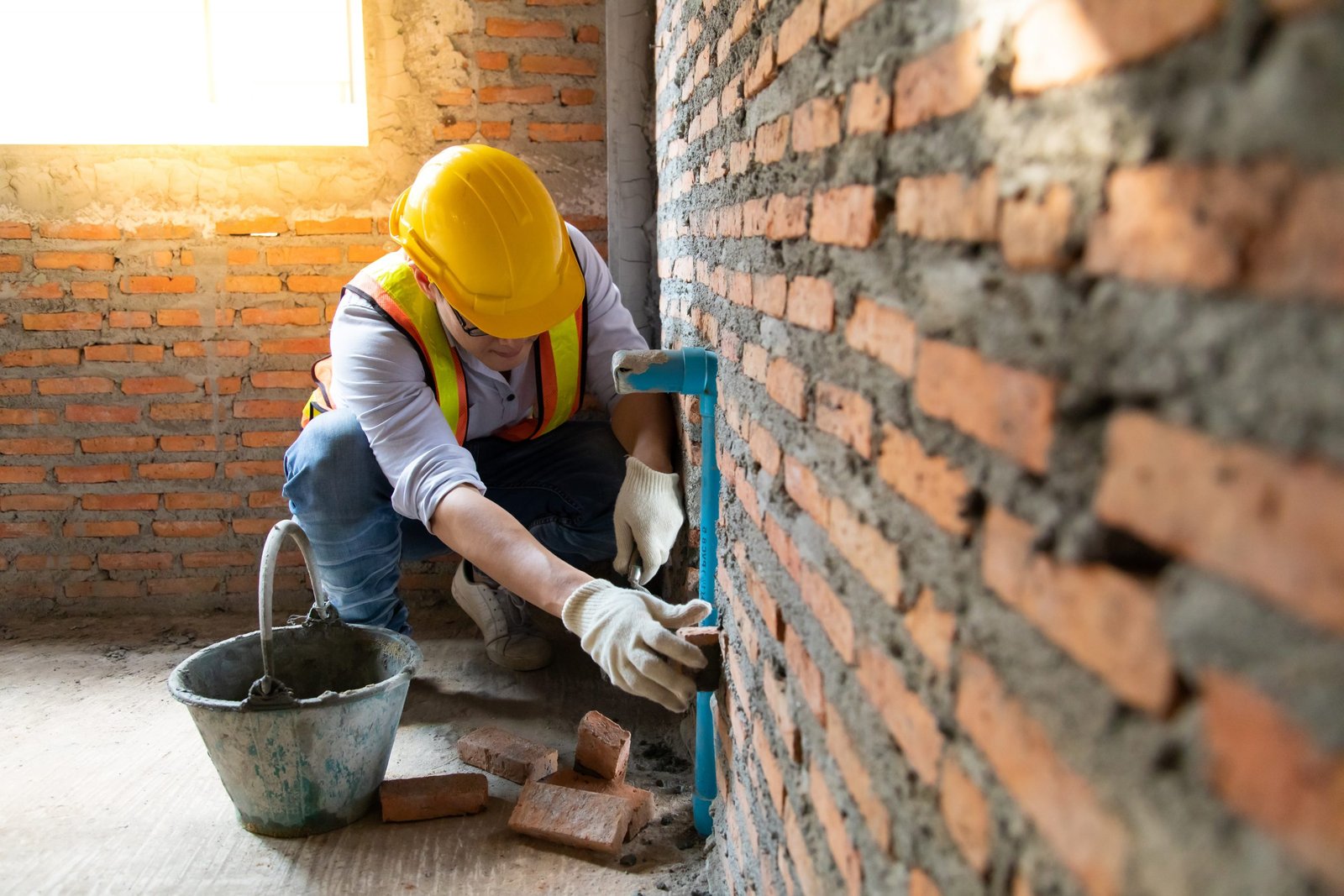
Restoration & Repairs: Restoring and repairing damaged or aging brickwork, including tuckpointing, chimney repair, and replacement of deteriorated bricks. Our team is experienced in maintaining the historical character of New York’s landmarks, working closely with preservation guidelines and using compatible materials for seamless results123.
Waterproofing & Damp Proofing: Brick structures are susceptible to moisture penetration, which can lead to mold, efflorescence, and structural damage. We provide advanced waterproofing solutions, including the application of sealants, damp proofing treatments, and repair of mortar joints to protect your property from water intrusion45.
Our Brick Masonry Process
Consultation & Assessment: We begin with a thorough site assessment and consultation to understand your needs, whether it’s new construction, restoration, or repairs. For historic properties, we review existing structures and materials to ensure preservation of original details13.
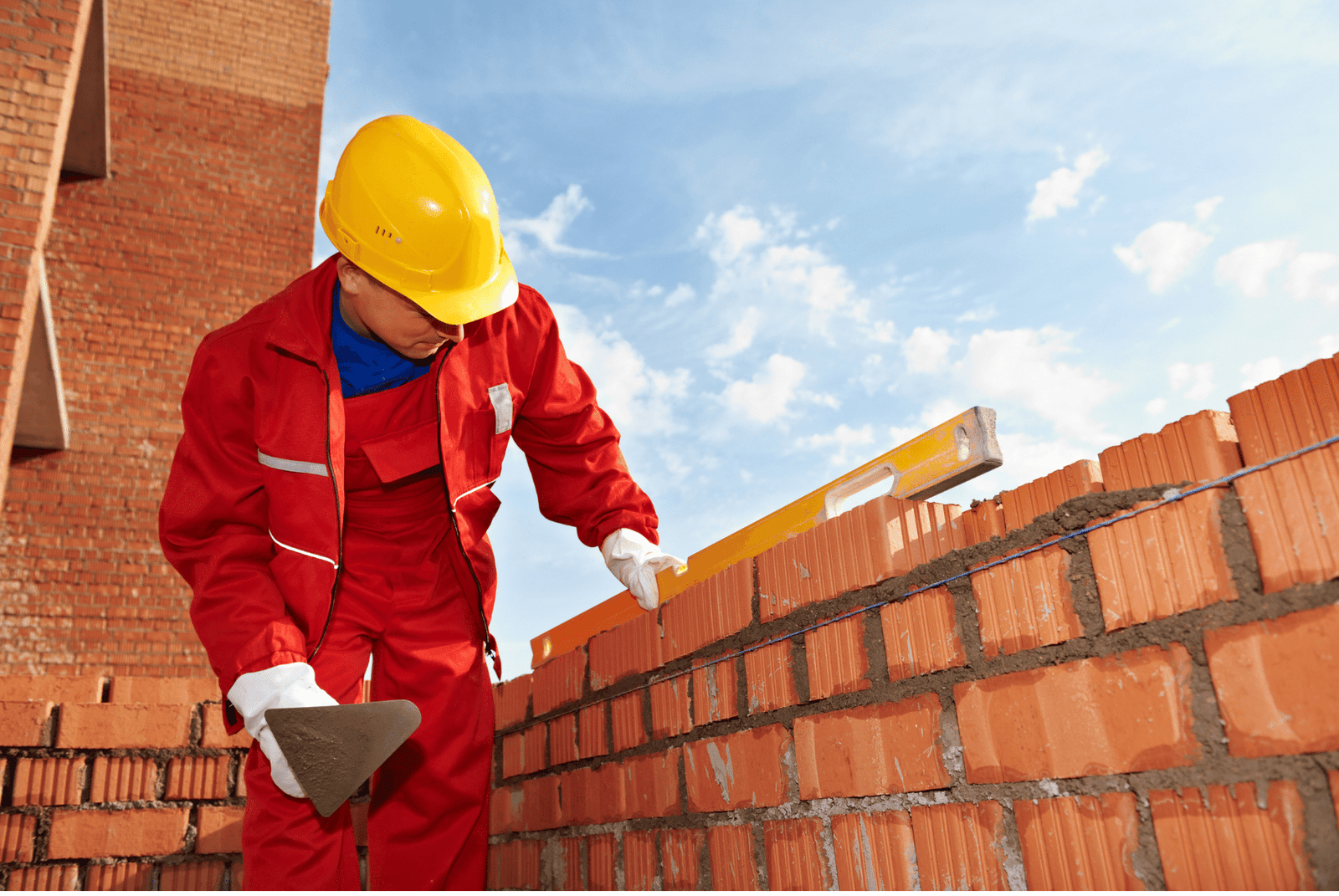
Preparation & Construction: Our skilled masons use high-quality bricks and mortar, following industry best practices for strength, alignment, and aesthetics. We pay special attention to details such as proper bonding patterns, joint finishing, and integration with other building elements25.
Waterproofing Integration: We incorporate waterproofing measures during construction and restoration, using cementitious coatings, sealants, and proper drainage solutions to ensure long-term durability45.
Finishing & Clean-Up: After construction, we clean all brick surfaces, remove debris, and conduct a final inspection to guarantee your satisfaction3.
Historic Brick Masonry Restoration
Our expertise extends to the restoration of historic brick buildings. We carefully clean, repair, and repoint brickwork, matching original materials and craftsmanship to preserve New York’s architectural heritage. Our team works with local historical societies and follows best practices for revitalizing and protecting landmark structures1.
Why Choose TNT Construction and Waterproofing?
Experienced, licensed, and insured masons
Commitment to quality, safety, and customer satisfaction
Expertise in both modern and historic brick masonry
Advanced waterproofing and damp proofing solutions
Free consultations and detailed project estimates
Get Started Today
Whether you need new brick construction, expert repairs, or historic restoration, TNT Construction and Waterproofing Company is your trusted partner for brick masonry in New York. Contact us today for a free consultation and see how our expertise can enhance and protect your property.
Types of Stone Masonry
Stone masonry can be broadly classified into two main categories, each with unique characteristics and applications:
1. Rubble Masonry
Rubble masonry uses stones that are either undressed or only roughly dressed, resulting in wider joints and a more rustic appearance. This category includes several subtypes:
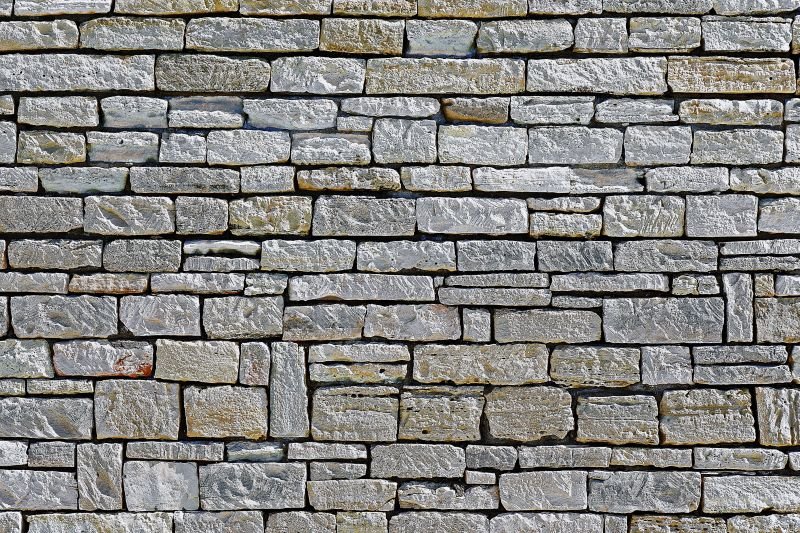
Uncoursed Rubble Masonry: Stones vary in size and shape, placed without regular courses. Larger stones are used at corners (quoins) for added strength. This is the most economical and traditional form of stone masonry13.
Coursed Rubble Masonry: Stones in each course are of equal height, creating a more organized look.
Polygonal, Dry, and Random Rubble Masonry: Stones are fitted together in irregular or polygonal shapes, sometimes without mortar (dry-stacked), relying on gravity and careful placement for stability14.
2. Ashlar Masonry
Ashlar masonry uses stones that are carefully cut and dressed to uniform size and shape, resulting in fine, tight joints (as thin as 3 mm). This type of masonry is more expensive and labor-intensive but provides a refined, elegant appearance. Subtypes include:
Ashlar Fine Masonry: Precisely cut stones with smooth faces and very thin joints.
Ashlar Rough Tooled or Rock-Faced: Stones have chisel-dressed sides and a rough, textured face for a more natural look.
Ashlar Block in Course: Combines ashlar facing with rubble masonry backing for cost-effectiveness and strength37.
Natural Stone vs. Manufactured Stone
Natural Stone
Natural stone, such as granite, limestone, sandstone, marble, and slate, is valued for its authentic beauty, color variation, and exceptional durability. It is dense, non-porous, and resistant to weathering, making it ideal for both structural and decorative applications. Natural stone is often chosen for high-end projects, restoration work, and areas requiring long-term performance578.
Manufactured Stone
Manufactured (or cultured) stone is made from concrete and pigments, molded to resemble natural stone. It is lighter, easier to install, and often more affordable than natural stone. Manufactured stone offers consistent color and texture, making it suitable for large-scale projects where uniformity is important. However, it is more porous and less durable over time compared to natural stone, with color potentially fading due to weather exposure25.
Stone Masonry Techniques
Dry-Stack Technique: Stones are stacked without mortar, relying on gravity and precise placement. This method is environmentally friendly and creates strong, attractive walls but is labor-intensive and best for shorter structures4.
Mortared Stone Technique: Stones are bonded with mortar (lime or cement-based), allowing for greater height and stability. This is the most common technique for modern stone walls and buildings4.
Veneered Stone Technique: Thin layers of stone (natural or manufactured) are applied to the surface of a structural wall, providing the appearance of full stone construction with less weight and cost45.
Slipform and Tilt-Up Techniques: Modern methods where stones are placed within forms and concrete is poured behind them, or stone panels are cast on the ground and lifted into place, enabling faster and more economical construction for certain applications4.
Applications of Stone Masonry
Walls (Load-Bearing and Non-Load-Bearing)
Facades and Cladding
Columns, Arches, and Lintels
Retaining Walls and Boundary Walls
Fireplaces and Chimneys
Monuments and Decorative Features
Advantages of Stone Masonry
Exceptional Durability: Structures can last for centuries with minimal maintenance8.
Aesthetic Appeal: Offers a natural, timeless look with a wide range of textures, colors, and finishes56.
Thermal and Acoustic Insulation: Thick stone walls provide excellent insulation properties.
Fire and Weather Resistance: Both natural and manufactured stone are resistant to fire, pests, and harsh weather conditions7.
Considerations
Cost: Natural stone is more expensive due to quarrying, cutting, and transport. Manufactured stone offers a more budget-friendly alternative5.
Installation: Skilled masons are required for both types, but especially for natural stone to achieve the best results5.
Maintenance: Natural stone requires less maintenance over time, while manufactured stone may need periodic cleaning and color touch-ups