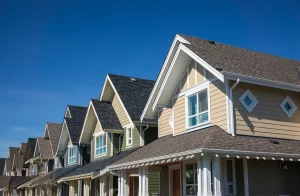
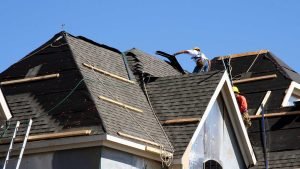
Shingle roofing is one of the most popular and versatile roofing systems for both residential and commercial buildings. Shingles are individual overlapping elements that cover the roof, working together to shed water and protect the structure beneath. They come in a wide range of materials, styles, and colors, allowing homeowners to select the best option for their needs and preferences.
Types of Roofing Shingles
-
Asphalt Shingles:
The most common type in the United States, asphalt shingles are valued for their affordability, ease of installation, and variety of styles and colors. There are several subtypes:-
3-Tab Shingles: Flat, uniform, and budget-friendly, with an expected lifespan of about 15–20 years.
-
Architectural (Dimensional) Shingles: Thicker, multi-layered, and more durable, with a lifespan of up to 30 years. They offer a more textured, dimensional appearance.
-
Luxury Shingles: Premium asphalt shingles designed to mimic slate or cedar, offering enhanced durability and aesthetic appeal, with lifespans up to 50 years.
-
-
Wood Shingles and Shakes:
Made from cedar or other rot-resistant woods, these provide a natural look and can last 15–40 years. Shakes are typically thicker and more textured than shingles. They require more maintenance and may be restricted in some areas due to fire risk.
-
Metal Shingles:
Available in steel, aluminum, and copper, metal shingles are highly durable, fire-resistant, and can last 40–70 years. They are lightweight and come in designs that mimic traditional shingle styles. -
Composite/Synthetic Shingles:
Made from a blend of materials such as plastic, rubber, and asphalt, these shingles are designed to replicate the look of slate, wood, or tile while offering increased durability and lower maintenance. -
Other Types:
Options like slate, clay, concrete, and plastic shingles are also available, each with unique benefits regarding longevity, appearance, and maintenance.
Key Benefits of Shingle Roofing
-
Versatility: Wide range of materials, colors, and styles to suit any architectural design.
-
Affordability: Especially with asphalt shingles, which are among the most cost-effective roofing solutions.
-
Ease of Installation and Repair: Shingles are relatively easy to install and replace, making them a practical choice for many homeowners.
-
Weather Resistance: Many modern shingles are designed to resist wind, algae, and impact, making them suitable for various climates.
| Shingle Type | Lifespan | Key Features | Notes |
|---|---|---|---|
| 3-Tab Asphalt | 15–20 years | Affordable, simple, flat appearance | Most common, easy to install |
| Architectural Asphalt | 20–30 years | Thicker, textured, more durable | Enhanced look and longevity |
| Luxury Asphalt | Up to 50 years | Mimics slate/cedar, premium quality | Higher cost, heavy |
| Wood Shingles/Shakes | 15–40 years | Natural look, requires maintenance | Fire risk, may be restricted |
| Metal Shingles | 40–70 years | Lightweight, fire/impact resistant | Higher upfront cost |
| Composite/Synthetic | 30–50 years | Mimics natural materials, low upkeep | Eco-friendly options available
|
Considerations
When choosing shingle roofing, consider factors such as cost, local climate, desired lifespan, fire resistance, and the strength of your roof structure. Premium options like architectural or luxury shingles offer enhanced durability and aesthetics but may require a stronger roof for suppor. Maintenance requirements and local building codes-especially for wood shingles-should also be taken into account